10% Off In Your First Cleaning Service, Claim Now!!!
10% Off In Your First Cleaning Service, Claim Now!!!
BLOG

Feb 17,2026
Carpets are more than just floor coverings, they're an investment in comfort, style, and indoor air quality. But whether your carpets are in a busy family home, a high traffic commercial space, or a cosy office environment, regular carpet cleaning is essential to maintain their appearance and longevity. With so many options available, two of the most popular methods are Steam Carpet Cleaning vs. Dry Carpet Cleaning. Understanding their differences, advantages, and limitations will help you make the best choice for your home or business. In this comprehensive guide, we'll dive deep into the steam carpet cleaning method, the dry carpet cleaning method, how they compare, and which is right for your specific needs.
Whether you have plush carpets in your living room, loop piles on your stairs, or textured carpet tiles in your office, dirt and contaminants build up over time. Everyday life, from pets and children to shoes, spills, and dust, can degrade your carpet's look and indoor air quality. Regular maintenance alone isn't always enough. That's where professional carpet cleaning comes in. But when it's time for a deep clean, homeowners and businesses often ask: Should I choose Steam Carpet Cleaning or Dry Carpet Cleaning? The answer isn't one size fits all, it depends on your lifestyle, schedule, budget, and carpet type.
At its core, carpet cleaning refers to any process that removes dirt, allergens, stains, and odours from carpet fibres. Carpet cleaning can be done through several professional carpet cleaning methods, each with unique processes and benefits. The two most common approaches are:
• Steam Carpet Cleaning, also known as hot water extraction
• Dry Carpet Cleaning, which uses special compounds and minimal moisture
Both aim to restore carpets, improve air quality, and extend carpet life but they achieve these goals in different ways.
Before jumping into the details of each, here's a quick snapshot of Steam Carpet Cleaning vs. Dry Carpet Cleaning:
| Aspect | Steam Carpet Cleaning | Dry Carpet Cleaning |
|---|---|---|
| Moisture Used | High | Very Low |
| Drying Time | Hours | Minutes |
| Best For | Deep cleaning & heavy soiling | Quick cleaning & low moisture needs |
| Chemical Use | Moderate | Higher (special compounds) |
| Effectiveness | Excellent | Good to Very Good |
| Ideal For | Homes with pets, deep stains | Offices & commercial spaces |
Now let's unpack each method in depth.
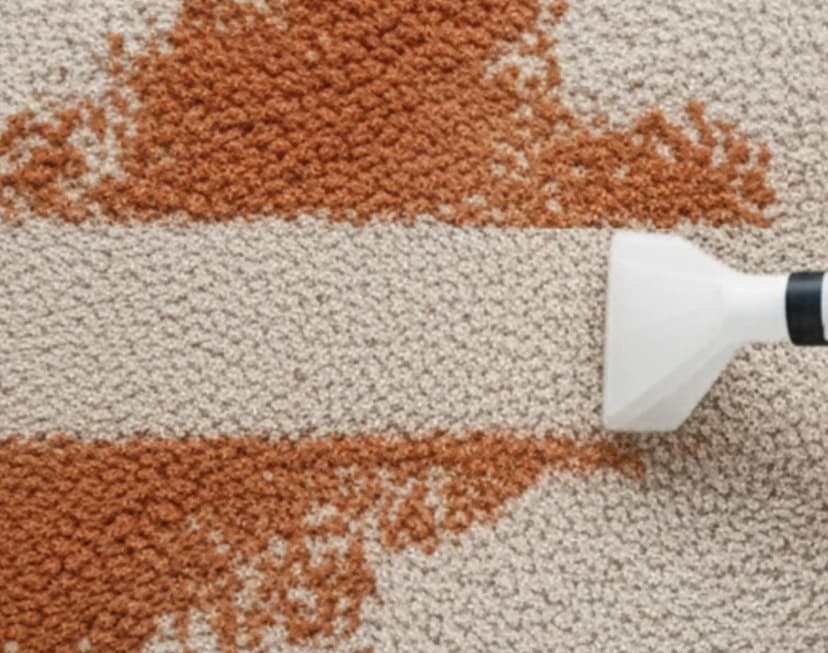
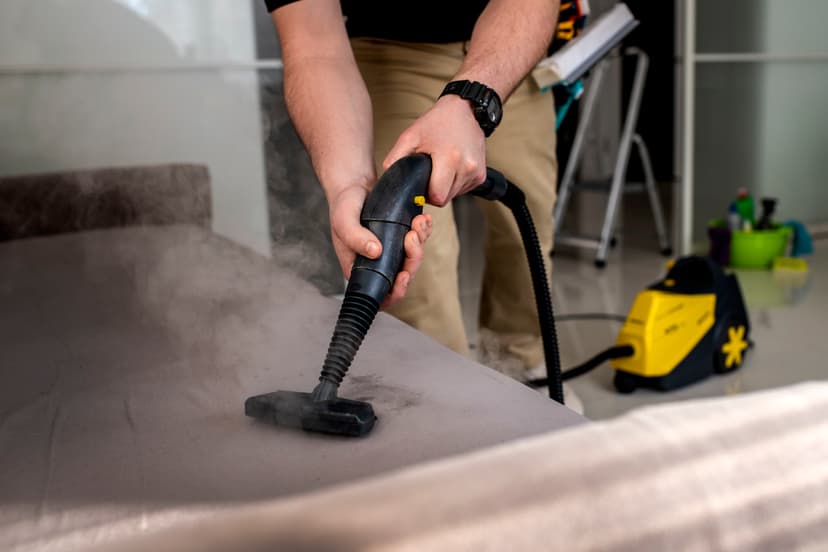
Also called hot water extraction carpet cleaning, steam carpet cleaning is widely regarded as one of the most effective carpet cleaning techniques. Here's how it works:
This method doesn't literally use steam (as in steam vapour), but the hot water and pressure create a steam-like effect, hence the name. This professional approach dissolves dirt deep in the carpet fibres, including grime that vacuuming alone can't remove.
For expert steam carpet cleaning, you can rely on our team at Aussie Steam. Our trained professionals use industry-leading equipment to deliver a thorough and refreshing clean every time.
One of the biggest advantages of the steam carpet cleaning method is its ability to remove deeply embedded dirt, allergens, and bacteria. The combination of heat and pressure helps dissolve grime that dry methods might miss.
Hot water extraction is particularly effective on stubborn stains like coffee, wine, pet urine, and food spills. When paired with professional pre-treatments, results can be dramatic.
Steam cleaning doesn't just clean fibres, it captures allergens, dust mites, and pollutants. This can significantly reduce allergy triggers and improve overall indoor air quality.
The high temperature of the water helps sanitise carpets, reducing bacterial and microbial loads, a key benefit for homes with children or pets.
Results from steam cleaning tend to last longer than many dry methods because it removes soil rather than just lifting it to the surface.
Because this method uses moisture, carpets can stay damp for several hours — sometimes up to 12 hours, depending on airflow and humidity.
Furniture often needs to be moved, and scheduling may need to accommodate the longer drying period.
Due to its intensive process and equipment, steam cleaning can be more expensive than dry cleaning methods, but many homeowners find the results worth the investment.
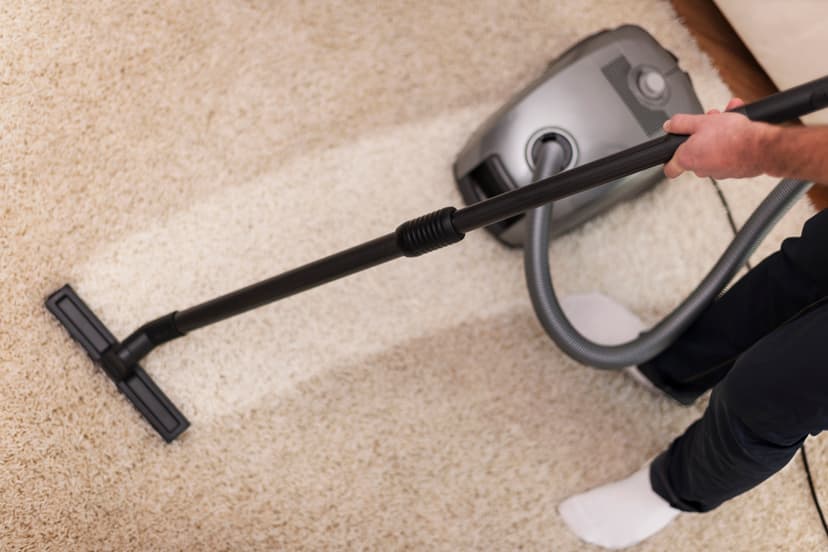
The dry carpet cleaning method uses low-moisture cleaning compounds that attract and bind dirt particles without saturating the carpet. These products can be:
The process generally looks like this:
Dry cleaning works well for light to moderate soil levels and situations where fast drying is essential.
With very little moisture used, carpets are dry in minutes — sometimes immediately. This makes it ideal for commercial spaces and busy households.
Dry cleaning takes less preparation and can often be done faster than steam cleaning.
As a routine cleaning method, dry cleaning keeps carpets looking fresh between deeper cleans.
Because there's little moisture left behind, there's minimal risk of mold growth, especially in poorly ventilated spaces.
Dry carpet cleaning doesn't penetrate fibres as deeply as hot water extraction carpet cleaning, making it less effective for heavy soil, deep stains, or pet odours.
Some dry cleaning compounds can leave behind residues that attract dirt more quickly if not removed properly.
Certain carpet fibres and textures may not respond as well to dry cleaning and may require steam for optimal results.
Let's break down how these two methods compare across the critical factors homeowners and businesses care about.
Steam Carpet Cleaning: Superior deep cleaning, removes embedded soil and allergens.
Dry Carpet Cleaning: Effective for surface soil and regular maintenance.
Steam: Long, typically 4 to 12 hours.
Dry: Very short, often less than an hour.
Steam: Best for homes with pets, heavy traffic, and deep stains.
Dry: Ideal for commercial spaces, offices, and quick turnaround needs.
Steam: Slightly higher due to equipment and labour.
Dry: More cost effective for regular or light cleaning.
Steam: Better for allergen removal and sanitisation.
Dry: Lower moisture but can leave chemical residues if not done correctly.
Choosing the right carpet cleaning method isn't just about one good option, it's about matching the approach to your specific needs. Here are key questions to ask:
If your carpets haven't been deep cleaned in a long time, or if you have heavy soil, stains, or pet messes, steam cleaning is often the more effective choice.
Busy homes or commercial spaces with limited downtime may favour dry cleaning for its quick drying.
For households with allergy sufferers or pet odours, steam cleaning's deep extraction and sanitisation offer significant advantages.
While steam carpet cleaning might cost a bit more upfront, its long-lasting results often translate to fewer cleanings over time.
Carpet cleaning frequency depends on foot traffic, pets, children, and lifestyle, but here are general guidelines:
Deep cleaning with methods like steam ensures that soil, allergens, and bacteria don't settle deep into fibres over time.
DIY cleaning machines and store products can help maintain surface cleanliness, but professional carpet cleaning takes it to another level. Here's why:
At Aussie Steam, we combine experience with advanced cleaning methods, including expert steam carpet cleaning, to deliver results homeowners trust.
So, who wins in Steam Carpet Cleaning vs. Dry Carpet Cleaning? The answer depends on your priorities:
For most residential settings, especially those with kids, pets, or heavy foot traffic, steam cleaning is the superior choice for overall health and appearance. For commercial spaces and quick turnover scenarios, dry cleaning may be the practical solution. No matter which method you choose, regular professional carpet cleaning extends the life of your carpets and improves your indoor environment.
1. What is Steam Carpet Cleaning vs. Dry Carpet Cleaning?
Steam Carpet Cleaning vs. Dry Carpet Cleaning compares two professional carpet cleaning methods: steam uses hot water extraction for deep cleaning, while dry cleaning uses low moisture compounds for fast surface cleaning with minimal drying time.
Steam cleaning, also called hot water extraction carpet cleaning, injects heated water and solution deep into carpet fibres and extracts dirt, allergens, and bacteria. Dry carpet cleaning uses absorbent compounds or encapsulation products that bind soil and are vacuumed away. Steam focuses on deep sanitisation and stain removal, while dry cleaning prioritises speed and convenience.
Choose steam for deep cleaning; choose dry when fast drying is essential.
2. Is Steam Carpet Cleaning better than Dry Carpet Cleaning?
Steam Carpet Cleaning vs. Dry Carpet Cleaning results depend on your needs, but steam cleaning is generally better for deep soil, stains, and allergens, while dry cleaning works best for light maintenance and quick turnaround.
Steam carpet cleaning penetrates deep into fibres, removing embedded dirt, bacteria, and odours using hot water extraction. Dry carpet cleaning works mainly on the surface using specialised cleaning compounds and minimal moisture. Homes with pets, children, or allergies benefit more from steam cleaning.
Use steam for health and deep cleaning, dry for speed and convenience.
3. How does the steam carpet cleaning method work?
The steam carpet cleaning method uses hot water extraction to inject heated water and cleaning solution into carpet fibres, loosening dirt and contaminants before powerful suction removes the moisture along with debris and allergens.
Professionals first pre-treat high traffic and stained areas. A machine then sprays hot water mixed with detergent deep into the carpet pile. The solution dissolves soil, bacteria, and allergens. High-powered extraction removes water and loosened debris, leaving carpets deeply cleaned.
Allow proper drying time by increasing ventilation and airflow.
4. How does the dry carpet cleaning method work?
The dry carpet cleaning method uses low moisture compounds or encapsulation solutions that attach to dirt particles in carpet fibres, which are then removed through mechanical agitation and thorough vacuuming.
A cleaning powder or solution is applied to the carpet surface and worked into fibres using a machine. The compound attracts soil, oils, and debris, forming particles that can be vacuumed away. Because little moisture is used, carpets dry quickly. However, dry methods mainly clean surface soil.
Use dry cleaning for maintenance between deeper steam cleans.
5. Which carpet cleaning method is best for pet owners?
In Steam Carpet Cleaning vs. Dry Carpet Cleaning, steam cleaning is best for pet owners because hot water extraction removes deep pet hair, dander, bacteria, and urine odours more effectively than low moisture dry methods.
Pets introduce fur, oils, and accidents that penetrate deep into carpet fibres and padding. Steam carpet cleaning uses heat and strong extraction to break down odour-causing bacteria and remove allergens. Dry carpet cleaning may improve surface appearance but often cannot fully eliminate odours.
Schedule steam cleaning every 3 to 6 months if you have indoor pets.
6. Does steam carpet cleaning take longer to dry than dry cleaning?
Yes, in Steam Carpet Cleaning vs. Dry Carpet Cleaning, steam cleaning uses more moisture and typically requires several hours to dry, while dry carpet cleaning uses minimal water and carpets can be ready within minutes.
Steam carpet cleaning relies on hot water extraction, which saturates fibres before being removed. Even with strong suction, some moisture remains, leading to drying times of 4 to 12 hours depending on airflow and humidity. Dry cleaning methods use very little liquid, allowing carpets to dry quickly.
Practical advice: Use fans and open windows to speed up drying after steam cleaning.
Book professional carpet cleaning today with Aussie Steam
OTHER BLOGS