
10% Off In Your First Cleaning Service, Claim Now!!!
10% Off In Your First Cleaning Service, Claim Now!!!
BLOG
BLOG

March 17,2026
| Factor | What to Look For |
|---|---|
| Cleaning method | Hot water extraction preferred for deep clean |
| Equipment type | Truck-mounted > portable |
| Solutions used | Eco-friendly, pH-balanced, pet-safe |
| Certifications | IICRC or NCCA certified |
| Insurance | Full public liability — confirmed in writing |
| Reviews | 4.5+ stars, high volume, genuine responses |
| Guarantee | Satisfaction + spot return guarantee |
| Furniture policy | What moves, what doesn't, extra cost? |
| Drying time | 6–12 hrs for steam; under 24 hrs guaranteed |
| Add-ons included | Pre-treatment, deodorising, fabric protection |
| Factor | What to Look For |
|---|---|
| Cleaning method | Hot water extraction preferred for deep clean |
| Equipment type | Truck-mounted > portable |
| Solutions used | Eco-friendly, pH-balanced, pet-safe |
| Certifications | IICRC or NCCA certified |
| Insurance | Full public liability — confirmed in writing |
| Reviews | 4.5+ stars, high volume, genuine responses |
| Guarantee | Satisfaction + spot return guarantee |
| Furniture policy | What moves, what doesn't, extra cost? |
| Drying time | 6–12 hrs for steam; under 24 hrs guaranteed |
| Add-ons included | Pre-treatment, deodorising, fabric protection |
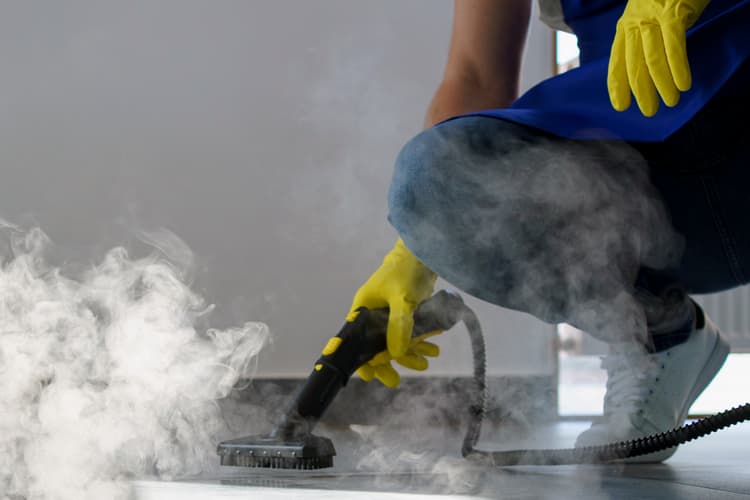
Carpets are more than just floor coverings, they're an investment in comfort, style, and indoor air quality. But whether your carpets are in a busy family home, a high traffic commercial space, or a cosy office environment, regular carpet cleaning is essential to maintain their appearance and longevity. With so many options available, two of the most popular methods are Steam Carpet Cleaning vs. Dry Carpet Cleaning. Understanding their differences, advantages, and limitations will help you make the best choice for your home or business. In this comprehensive guide, we'll dive deep into the steam carpet cleaning method, the dry carpet cleaning method, how they compare, and which is right for your specific needs.
Whether you have plush carpets in your living room, loop piles on your stairs, or textured carpet tiles in your office, dirt and contaminants build up over time. Everyday life, from pets and children to shoes, spills, and dust, can degrade your carpet's look and indoor air quality. Regular maintenance alone isn't always enough. That's where professional carpet cleaning comes in. But when it's time for a deep clean, homeowners and businesses often ask: Should I choose Steam Carpet Cleaning or Dry Carpet Cleaning? The answer isn't one size fits all, it depends on your lifestyle, schedule, budget, and carpet type.
At its core, carpet cleaning refers to any process that removes dirt, allergens, stains, and odours from carpet fibres. Carpet cleaning can be done through several professional carpet cleaning methods, each with unique processes and benefits. The two most common approaches are:
• Steam Carpet Cleaning, also known as hot water extraction
• Dry Carpet Cleaning, which uses special compounds and minimal moisture
Both aim to restore carpets, improve air quality, and extend carpet life but they achieve these goals in different ways.
Before jumping into the details of each, here's a quick snapshot of Steam Carpet Cleaning vs. Dry Carpet Cleaning:
| Aspect | Steam Carpet Cleaning | Dry Carpet Cleaning |
|---|---|---|
| Moisture Used | High | Very Low |
| Drying Time | Hours | Minutes |
| Best For | Deep cleaning & heavy soiling | Quick cleaning & low moisture needs |
| Chemical Use | Moderate | Higher (special compounds) |
| Effectiveness | Excellent | Good to Very Good |
| Ideal For | Homes with pets, deep stains | Offices & commercial spaces |
Now let's unpack each method in depth.
Also called hot water extraction carpet cleaning, steam carpet cleaning is widely regarded as one of the most effective carpet cleaning techniques. Here's how it works:
This method doesn't literally use steam (as in steam vapour), but the hot water and pressure create a steam-like effect, hence the name. This professional approach dissolves dirt deep in the carpet fibres, including grime that vacuuming alone can't remove.
For expert steam carpet cleaning, you can rely on our team at Aussie Steam. Our trained professionals use industry-leading equipment to deliver a thorough and refreshing clean every time.
One of the biggest advantages of the steam carpet cleaning method is its ability to remove deeply embedded dirt, allergens, and bacteria. The combination of heat and pressure helps dissolve grime that dry methods might miss.
Hot water extraction is particularly effective on stubborn stains like coffee, wine, pet urine, and food spills. When paired with professional pre-treatments, results can be dramatic.
Steam cleaning doesn't just clean fibres, it captures allergens, dust mites, and pollutants. This can significantly reduce allergy triggers and improve overall indoor air quality.
The high temperature of the water helps sanitise carpets, reducing bacterial and microbial loads, a key benefit for homes with children or pets.
Results from steam cleaning tend to last longer than many dry methods because it removes soil rather than just lifting it to the surface.
Because this method uses moisture, carpets can stay damp for several hours — sometimes up to 12 hours, depending on airflow and humidity.
Furniture often needs to be moved, and scheduling may need to accommodate the longer drying period.
Due to its intensive process and equipment, steam cleaning can be more expensive than dry cleaning methods, but many homeowners find the results worth the investment.
The dry carpet cleaning method uses low-moisture cleaning compounds that attract and bind dirt particles without saturating the carpet. These products can be:
The process generally looks like this:
Dry cleaning works well for light to moderate soil levels and situations where fast drying is essential.
With very little moisture used, carpets are dry in minutes — sometimes immediately. This makes it ideal for commercial spaces and busy households.
Dry cleaning takes less preparation and can often be done faster than steam cleaning.
As a routine cleaning method, dry cleaning keeps carpets looking fresh between deeper cleans.
Because there's little moisture left behind, there's minimal risk of mold growth, especially in poorly ventilated spaces.
Dry carpet cleaning doesn't penetrate fibres as deeply as hot water extraction carpet cleaning, making it less effective for heavy soil, deep stains, or pet odours.
Some dry cleaning compounds can leave behind residues that attract dirt more quickly if not removed properly.
Certain carpet fibres and textures may not respond as well to dry cleaning and may require steam for optimal results.
Let's break down how these two methods compare across the critical factors homeowners and businesses care about.
Steam Carpet Cleaning: Superior deep cleaning, removes embedded soil and allergens.
Dry Carpet Cleaning: Effective for surface soil and regular maintenance.
Steam: Long, typically 4 to 12 hours.
Dry: Very short, often less than an hour.
Steam: Best for homes with pets, heavy traffic, and deep stains.
Dry: Ideal for commercial spaces, offices, and quick turnaround needs.
Steam: Slightly higher due to equipment and labour.
Dry: More cost effective for regular or light cleaning.
Steam: Better for allergen removal and sanitisation.
Dry: Lower moisture but can leave chemical residues if not done correctly.
Choosing the right carpet cleaning method isn't just about one good option, it's about matching the approach to your specific needs. Here are key questions to ask:
If your carpets haven't been deep cleaned in a long time, or if you have heavy soil, stains, or pet messes, steam cleaning is often the more effective choice.
Busy homes or commercial spaces with limited downtime may favour dry cleaning for its quick drying.
For households with allergy sufferers or pet odours, steam cleaning's deep extraction and sanitisation offer significant advantages.
While steam carpet cleaning might cost a bit more upfront, its long-lasting results often translate to fewer cleanings over time.
Carpet cleaning frequency depends on foot traffic, pets, children, and lifestyle, but here are general guidelines:
Deep cleaning with methods like steam ensures that soil, allergens, and bacteria don't settle deep into fibres over time.
DIY cleaning machines and store products can help maintain surface cleanliness, but professional carpet cleaning takes it to another level. Here's why:
At Aussie Steam, we combine experience with advanced cleaning methods, including expert steam carpet cleaning, to deliver results homeowners trust.
So, who wins in Steam Carpet Cleaning vs. Dry Carpet Cleaning? The answer depends on your priorities:
For most residential settings, especially those with kids, pets, or heavy foot traffic, steam cleaning is the superior choice for overall health and appearance. For commercial spaces and quick turnover scenarios, dry cleaning may be the practical solution. No matter which method you choose, regular professional carpet cleaning extends the life of your carpets and improves your indoor environment.
1. What is Steam Carpet Cleaning vs. Dry Carpet Cleaning?
Steam Carpet Cleaning vs. Dry Carpet Cleaning compares two professional carpet cleaning methods: steam uses hot water extraction for deep cleaning, while dry cleaning uses low moisture compounds for fast surface cleaning with minimal drying time.
Steam cleaning, also called hot water extraction carpet cleaning, injects heated water and solution deep into carpet fibres and extracts dirt, allergens, and bacteria. Dry carpet cleaning uses absorbent compounds or encapsulation products that bind soil and are vacuumed away. Steam focuses on deep sanitisation and stain removal, while dry cleaning prioritises speed and convenience.
Choose steam for deep cleaning; choose dry when fast drying is essential.
2. Is Steam Carpet Cleaning better than Dry Carpet Cleaning?
Steam Carpet Cleaning vs. Dry Carpet Cleaning results depend on your needs, but steam cleaning is generally better for deep soil, stains, and allergens, while dry cleaning works best for light maintenance and quick turnaround.
Steam carpet cleaning penetrates deep into fibres, removing embedded dirt, bacteria, and odours using hot water extraction. Dry carpet cleaning works mainly on the surface using specialised cleaning compounds and minimal moisture. Homes with pets, children, or allergies benefit more from steam cleaning.
Use steam for health and deep cleaning, dry for speed and convenience.
3. How does the steam carpet cleaning method work?
The steam carpet cleaning method uses hot water extraction to inject heated water and cleaning solution into carpet fibres, loosening dirt and contaminants before powerful suction removes the moisture along with debris and allergens.
Professionals first pre-treat high traffic and stained areas. A machine then sprays hot water mixed with detergent deep into the carpet pile. The solution dissolves soil, bacteria, and allergens. High-powered extraction removes water and loosened debris, leaving carpets deeply cleaned.
Allow proper drying time by increasing ventilation and airflow.
4. How does the dry carpet cleaning method work?
The dry carpet cleaning method uses low moisture compounds or encapsulation solutions that attach to dirt particles in carpet fibres, which are then removed through mechanical agitation and thorough vacuuming.
A cleaning powder or solution is applied to the carpet surface and worked into fibres using a machine. The compound attracts soil, oils, and debris, forming particles that can be vacuumed away. Because little moisture is used, carpets dry quickly. However, dry methods mainly clean surface soil.
Use dry cleaning for maintenance between deeper steam cleans.
5. Which carpet cleaning method is best for pet owners?
In Steam Carpet Cleaning vs. Dry Carpet Cleaning, steam cleaning is best for pet owners because hot water extraction removes deep pet hair, dander, bacteria, and urine odours more effectively than low moisture dry methods.
Pets introduce fur, oils, and accidents that penetrate deep into carpet fibres and padding. Steam carpet cleaning uses heat and strong extraction to break down odour-causing bacteria and remove allergens. Dry carpet cleaning may improve surface appearance but often cannot fully eliminate odours.
Schedule steam cleaning every 3 to 6 months if you have indoor pets.
6. Does steam carpet cleaning take longer to dry than dry cleaning?
Yes, in Steam Carpet Cleaning vs. Dry Carpet Cleaning, steam cleaning uses more moisture and typically requires several hours to dry, while dry carpet cleaning uses minimal water and carpets can be ready within minutes.
Steam carpet cleaning relies on hot water extraction, which saturates fibres before being removed. Even with strong suction, some moisture remains, leading to drying times of 4 to 12 hours depending on airflow and humidity. Dry cleaning methods use very little liquid, allowing carpets to dry quickly.
Practical advice: Use fans and open windows to speed up drying after steam cleaning.
Book professional carpet cleaning today with Aussie Steam
| Household Type | Recommended Frequency |
|---|---|
| Single adult, no pets, no allergies | Every 18 to 24 months |
| Couple or small family, no pets | Every 12 to 18 months |
| Family with young children | Every 6 to 12 months |
| Household with pets | Every 6 to 12 months |
| Allergy or asthma sufferers | Every 3 to 6 months |
| Commercial office or retail space | Every 3 to 6 months |
| Rental or investment property | Between each tenancy |
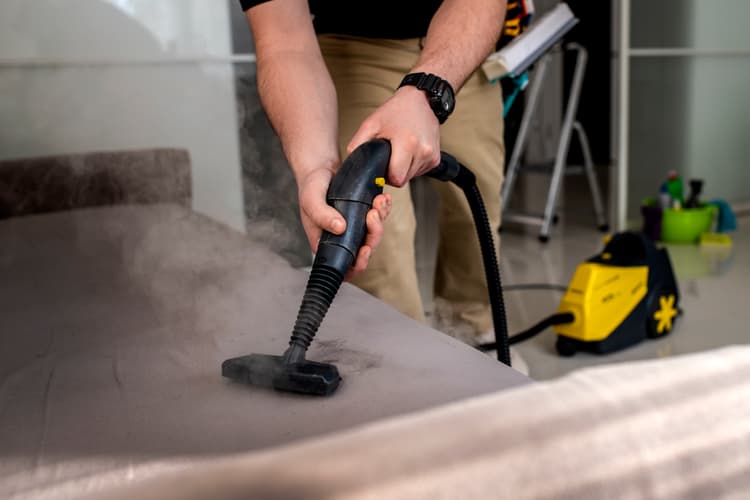
Your couch is one of the hardest working pieces of furniture in your home. It is where you relax after a long day, where your kids do their homework, where your pets curl up, and where movie nights happen. With all that daily use, it is no surprise that sofas collect an enormous amount of dirt, bacteria, allergens, dust mites, pet dander, food particles, and odour over time.
The problem is that most Australians only think about cleaning their couch when they notice a visible stain or an unpleasant smell. By that point, the buildup inside the fabric is already significant. Regular cleaning is not just about appearances. It is about protecting your family's health, extending the life of your furniture, and keeping your home feeling fresh.
Steam cleaning is widely considered one of the most effective and eco friendly methods for deep cleaning upholstered furniture. It uses the power of high temperature steam to penetrate deep into fabric fibres, kill bacteria and dust mites, break down stubborn stains, and neutralise odours without relying on any harsh chemical products.
In this complete guide, we walk you through everything you need to know about how to clean a couch with a steam cleaner. We cover the fabric types that are safe for steam cleaning, the equipment you will need, a detailed step by step process, common mistakes to avoid, and advice on when it is better to call in a professional team.
Quick Summary: Steam cleaning works best on couches with a fabric care code of W or WS. Always vacuum first, pre treat any stains, and steam in slow overlapping passes. Allow the couch to dry fully before use, which usually takes between two and four hours.
The most important thing you can do before attempting to steam clean your couch is to check the fabric care label. This small tag, usually found underneath a cushion or on the underside of the sofa, contains an international care code that tells you exactly which cleaning methods are safe for your specific fabric.
Using the wrong method on the wrong fabric can cause irreversible damage including shrinkage, watermarks, colour fading, or permanent texture changes. Taking two minutes to read the label can save you from a very expensive mistake.
W means water based cleaning is safe. Steam cleaning is a great choice for this fabric type.
S means solvent based cleaning only. You must never use water or steam on this fabric type as it will cause damage.
WS means both water based and solvent based methods are safe. Steam cleaning works well on WS coded fabrics.
X means vacuum only. No liquids of any kind should be used. This fabric type requires professional dry cleaning.
If your couch has no label, or if the label is worn and unreadable, it is always safer to consult a professional rather than guess. Choice Australia's carpet and upholstery cleaning guide advises homeowners to always identify the correct cleaning method for their specific fabric type before applying any product or moisture, as using the wrong approach can cause permanent damage to upholstery.
Delicate fabrics such as velvet, silk, chenille, genuine leather, and antique upholstery should never be steam cleaned at home. If you are unsure about your couch material, the team at Aussie Steam can assess it and recommend the safest approach for your specific furniture.
Having the right tools ready before you begin makes the entire process faster, easier, and more effective. Here is everything you should gather before getting started.
An upholstery steam cleaner or a handheld steamer with an upholstery nozzle attachment
A vacuum cleaner fitted with an upholstery brush head or crevice tool
Several clean microfibre cloths or white cotton towels
A fabric safe pre treatment spray for stain removal
A soft bristle brush for working in stain treatment
Distilled water for filling the steamer where possible
A portable fan or access to open windows for ventilation during drying
Important Tip: If you are renting a steam cleaner, choose a commercial grade model rather than a cheap consumer unit. Underpowered steamers often leave the fabric too wet, which can lead to mould growth inside the cushion padding. This is one of the most common mistakes Brisbane homeowners make when attempting DIY couch cleaning.
Follow these steps carefully to get the best possible result from your steam cleaning session.
This step is non-negotiable and should never be skipped. Before you introduce any moisture to the fabric, you need to remove every piece of loose debris including pet hair, crumbs, dust, lint, and surface dirt. Use the upholstery attachment on your vacuum and work slowly across every surface. Pay close attention to the seams, crevices between cushions, the base of the sofa, and underneath any removable cushions. Any debris left behind will be pushed deeper into the fabric once steam is applied, making it harder to extract.
Spray a fabric safe pre treatment solution onto any visible stains and allow it to sit for five to ten minutes. This breaks down the stain at a chemical level before the steam is applied. Once the treatment has had time to work, gently blot the area with a clean microfibre cloth. Avoid rubbing or scrubbing, as this spreads the stain and can push it deeper into the fibres. For older or more stubborn stains such as pet accidents, coffee, or wine, a specialist enzymatic pre-treatment product works better than a general spray.
Fill the steamer tank with distilled water if available. Distilled water prevents mineral deposits from building up inside the machine over time, which extends its lifespan and keeps the steam output clean. Allow the steamer to reach full operating temperature before you begin, which typically takes between three and five minutes depending on the model. Never apply steam to the fabric before the machine has fully heated up, as this can result in water droplets instead of steam, which leaves the fabric overly wet.
Hold the steam nozzle approximately five to ten centimetres from the fabric surface. Move the nozzle in slow, smooth strokes without stopping in one place for too long. Work in overlapping passes to ensure even coverage. Always work in small, manageable sections rather than trying to do the whole sofa in one go.
A good order to follow is:
Start with the back panel of the sofa
Move to the armrests on both sides
Steam the seat cushions, removing them where possible to clean both sides
Finish with any throw cushions included with the set
As you complete each section, immediately follow the steam with a clean microfibre cloth to wipe away the loosened dirt, oils, and grime that the heat has drawn to the surface.
This final step is just as important as the cleaning itself. Place fans near the sofa and open windows to maximise airflow. A professionally steam cleaned couch typically dries in two to four hours under good ventilation. A DIY clean using a consumer model may take longer due to higher moisture levels in the fabric.
Do not sit on or use the couch until it is fully dry. Sitting on damp upholstery compresses the fibres, flattens the fabric pile, and creates conditions where bacteria and odour can return quickly. If you are steam cleaning in Brisbane's humid summer months, consider running the air conditioning to speed up the drying process.
Even with the best intentions, it is easy to make mistakes that reduce the effectiveness of your cleaning or damage your furniture. Here are the most common errors and how to avoid them.
Not checking the care label before starting, which can result in permanent fabric damage
Skipping the vacuuming step and steaming directly over loose debris
Holding the steamer nozzle too close to the fabric or staying in one spot too long, causing oversaturation
Using tap water in the steamer, which builds up mineral deposits and reduces performance over time
Using a cheap underpowered steamer that leaves too much moisture in the fabric
Not allowing enough drying time before using the couch again
Rubbing stains instead of blotting them, which spreads the stain and pushes it deeper
The right cleaning frequency depends on how your couch is used and who is using it. As a general guide for Australian households:
Homes with pets or young children should aim to steam clean every three to four months
Average households with two to four adults will find every six months is sufficient
Light use households or couches in guest rooms can be cleaned once a year
Beyond the cleaning schedule, it is a good idea to vacuum your couch weekly as part of your regular housekeeping routine. This prevents debris from building up in the fabric and reduces the amount of deep cleaning required.
Regular upholstery cleaning also has important health benefits. Asthma Australia identifies dust mites in soft furnishings as one of the most common triggers for asthma and allergic rhinitis in Australian households. Steam cleaning at high temperatures is one of the most effective methods for eliminating dust mite populations in upholstered furniture.
Many people think of couch cleaning as a cosmetic issue, something you do to make the sofa look nicer. But the health case for regular upholstery cleaning is actually much more compelling than the visual one.
A typical couch that has not been professionally cleaned can harbour millions of dust mites. These microscopic creatures feed on dead skin cells and produce waste particles that trigger allergic reactions and asthma symptoms in sensitive individuals. They thrive in warm, humid environments exactly the conditions found inside a well used sofa cushion.
In addition to dust mites, unclean upholstery can contain bacteria, mould spores, pet dander, pollen, and traces of food and drink that provide a breeding ground for microorganisms. Steam cleaning at temperatures above 70 degrees Celsius kills 99.9 percent of these harmful organisms, making it genuinely beneficial for household health rather than just appearance.
This is especially relevant for households in Brisbane and Southeast Queensland, where the warm and humid climate creates ideal conditions for dust mites, mould, and bacteria to thrive in soft furnishings year round.
DIY steam cleaning is a great option for regular maintenance and light soiling. However, there are situations where a professional service will deliver significantly better results and actually protect your investment more effectively.
Consider Booking a Professional When:
The couch has deep set stains that have been present for several weeks or months
There is a persistent musty smell or pet odour that keeps coming back despite home cleaning attempts
There are visible mould or mildew spots on the fabric or underneath the cushions
The sofa is made from a delicate material such as velvet, linen, chenille, or natural fibres
The couch has never had a professional deep clean since it was purchased
You have attempted DIY cleaning and are not satisfied with the result
Our professional couch cleaning service in Brisbane uses hospital grade hot water extraction technology that goes far deeper than any consumer steam cleaner. The industrial equipment we use operates at higher temperatures, higher pressure, and with stronger suction than anything available for home use. This means we extract more dirt, more bacteria, and more allergens in a single visit, leaving your couch genuinely clean at a fibre level rather than just on the surface.
Why Brisbane Homeowners Choose Aussie Steam
Hospital grade hot water extraction technology
Eco friendly cleaning with no harsh chemicals, safe for children and pets
Removes 99.9 percent of bacteria, dust mites and allergens
Serving Brisbane, Gold Coast, Ipswich, Logan City and Sunshine Coast
100 percent satisfaction guarantee on every job
10 percent off your very first clean
One of the most common reasons Brisbane homeowners attempt DIY couch cleaning is concern about the cost of professional services. In reality, professional couch cleaning is far more affordable than most people expect, especially when you consider the value it adds and the cost of replacing a sofa that has been damaged by incorrect DIY methods.
As a general pricing guide for couch cleaning in Brisbane:
Three seater sofa: starting from around $100 to $160
Large L shape or sectional sofa: starting from around $150 to $220
All prices include pre treatment, hot water extraction, deodorising, and a satisfaction guarantee
For a precise quote based on your specific couch size, fabric type, and level of soiling, visit our couch cleaning Brisbane service page or call our team directly on 0426 058 046. We offer flexible booking times including weekends and provide upfront pricing with no hidden fees.
A professionally cleaned couch typically dries in two to four hours with good ventilation. A DIY clean using a consumer model may take four to six hours or longer depending on how much moisture was applied. Opening windows and running a fan will significantly speed up the drying time.
No. Steam should never be applied to genuine leather upholstery. The combination of heat and moisture causes the leather to crack, warp, and discolour. Leather requires specialist conditioning products and dry cleaning techniques. If you have a leather sofa, contact Aussie Steam for advice on the safest care approach.
Yes, absolutely. Steam cleaning uses only water heated to a high temperature. There are no chemical residues left on the fabric after cleaning, making it one of the safest possible cleaning methods for homes with young children and pets. This is one of the biggest advantages of steam over detergent based cleaning methods.
Steam cleaning is highly effective at neutralising pet odours because the high temperature heat breaks down the bacteria that produce the smell at its source. For very severe or long standing pet odour, a professional treatment that includes an enzymatic deodoriser alongside the steam extraction will give the best long term result.
Shampooing uses chemical detergent solutions that can leave residue in the fabric, which actually attracts more dirt over time and can cause the sofa to look dirtier again more quickly. Steam cleaning uses only water and leaves no chemical residue behind. According to Healthline, steam cleaning is also significantly more effective at killing bacteria and dust mites than shampoo based cleaning methods.
If your couch has light surface soiling, minimal odour, and has been cleaned relatively recently, a DIY steam clean is a good maintenance option. However, if you are dealing with deep stains, persistent odour, potential mould, delicate fabrics, or a couch that has not been professionally cleaned in over a year, booking a professional service will give you far better results and protect the life of your furniture.
If your sofa is overdue for a deep clean, or if you have tried DIY steam cleaning and are not completely happy with the result, the Aussie Steam team is ready to help. We bring professional grade equipment, over ten years of experience, and a genuine commitment to outstanding results to every job we take on.
We service Brisbane, Gold Coast, Ipswich, Logan City, Sunshine Coast, and Toowoomba with flexible booking times and a 100 percent satisfaction guarantee on every single clean. Our eco-friendly process is completely safe for children and pets, uses no harsh chemicals, and delivers results that are simply not possible with home equipment.
To find out more or to get an upfront quote, visit our couch cleaning Brisbane page or call us on 0426 058 046. Book today and claim your 10 percent first clean discount.